

The Tool Cupboard Ledger
Building Upkeep
Rust charges upkeep in brackets, like income tax. Every building block lands in a bracket, each bracket has its own rate, and your Tool Cupboard pays the blend.
How it works
Three steps to your upkeep rate
-
Count the blocks
Every structural piece counts: foundations, walls, floors, doorways, frames and roofs. Deployables like boxes, furnaces and turrets do not count toward the brackets.
-
Fill the brackets in order
The first blocks go in the cheapest bracket. Once it is full, the next blocks pay the next rate, and so on up the ladder.
-
Blend into one rate
The game averages the brackets into one effective rate for the whole base. That rate sets your Tool Cupboard bill.
Adding one more block never reprices the whole base. Only the blocks above a bracket line pay the higher rate; everything below keeps its cheaper rate.
The brackets
Default brackets and 3x brackets, side by side
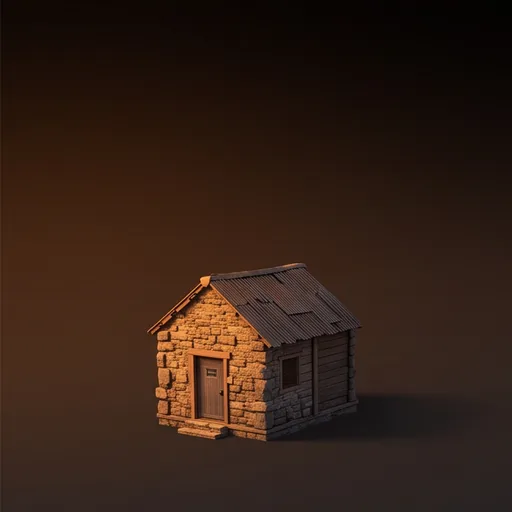
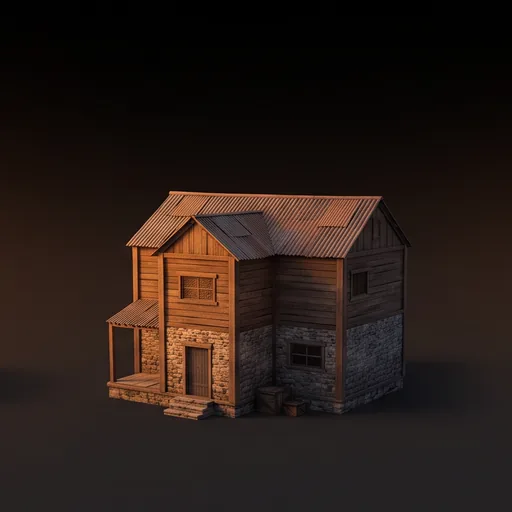
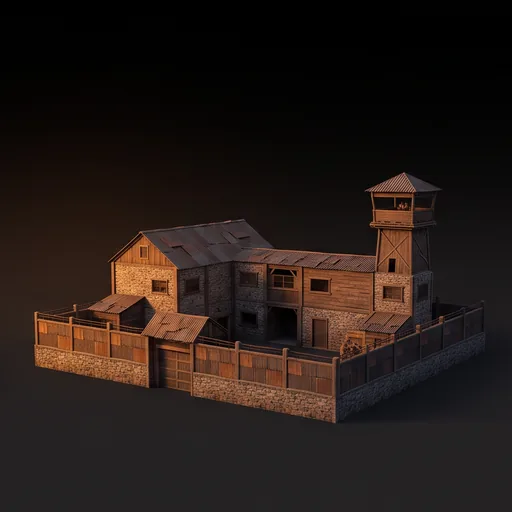
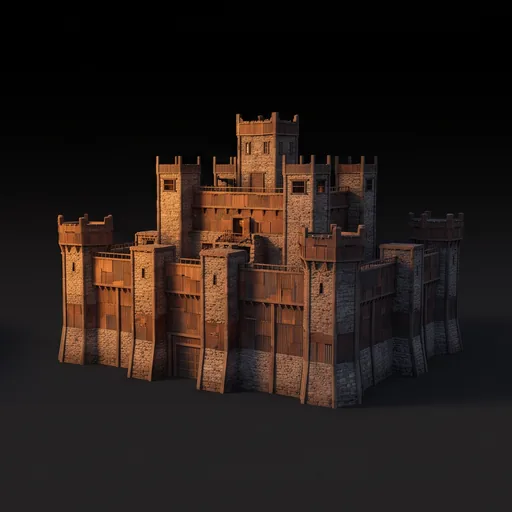
Bar length is the bracket's upkeep rate, on the same scale for both, so you can see where the 3x brackets climb.
Default brackets Legacy and Terminus
| Blocks | Rate | Scale |
|---|---|---|
| 1 to 15 | 10% | |
| 16 to 65 | 15% | |
| 66 to 190 | 20% | |
| 191 and up | 33.3% |
3x brackets 3x
| Blocks | Rate | Scale |
|---|---|---|
| 1 to 75 | 14% | |
| 76 to 200 | 21% | |
| 201 to 750 | 46% | |
| 751 and up | 150% |
The 3x brackets start a little higher and stay close to default for a normal base. The top two rungs are where the difference lives.
Calculator
What does my base pay?
Bracket 1Bracket 2Bracket 3Bracket 4 The colored bars show how many of your blocks sit in each bracket.
Worked example
A 433-block base on the 3x brackets
The same base on the default brackets blends to 26.54%, so on 3x it pays about 25% more upkeep.
Real bases
Four sample bases
Real base sizes, shown without names. Small and medium bases pay about what they would on the default brackets; the big ones pay a lot more.
| Base | Blocks | Upkeep ratedefault brackets | Upkeep rate3x brackets | 3x comparedto default |
|---|---|---|---|---|
| Sample 1 | 66 | 13.94% | 14.00% | 0.4% more |
| Sample 2 | 202 | 18.81% | 18.65% | 0.9% less |
| Sample 3 | 433 | 26.54% | 33.24% | 25.2% more |
| Sample 4 | 1,090 | 30.61% | 73.37% | 139.7% more |
What that costs every 24 hours
The same four bases, built all in stone with their real doors, hatches and windows.
| Base | Stonedefault | Stone3x | Metal fragmentsdefault | Metal fragments3x | High quality metaldefault | High quality metal3x |
|---|---|---|---|---|---|---|
| Sample 1 | 2,334 | 2,344 | 84 | 84 | 0 | 0 |
| Sample 2 | 7,458 | 7,394 | 1,110 | 1,101 | 17 | 17 |
| Sample 3 | 27,780 | 34,793 | 0 | 0 | 59 | 74 |
| Sample 4 | 72,369 | 173,440 | 1,883 | 4,513 | 89 | 213 |
Figures use the default 24-hour upkeep period with nothing else added. Your real Tool Cupboard bill depends on your materials and deployables, and repairs use resources on top.
Why 3x is steeper
Big builds cost the whole server
On 3x, materials come in fast, so bases grow far bigger than they would at default gather rates.
In PVE nobody raids an oversized base away. Upkeep is the only thing that keeps a base's size in check.
Every building block is an entity the server keeps track of and every nearby player has to load. Giant bases slow things down for everyone around them.
The 3x brackets keep an everyday base close to default cost and put the extra weight on giant builds.
The bracket blending method is explained in more detail in Corrosion Hour's upkeep guide.